Paper Planes and Boats: A Playful Dingbat Font for Editorial Design
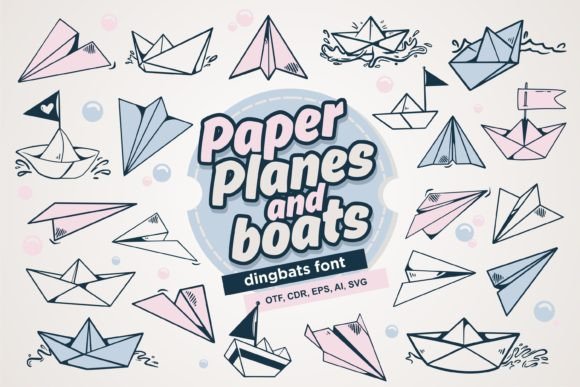
Paper Planes and Boats is a distinctive collection of Fonts that brings a whimsical, hand-drawn aesthetic to digital and print layouts. As a publisher or content creator, you understand that visual rhythm is just as important as textual clarity, and integrating these playful Dingbats into your workflow can transform standard articles into engaging visual experiences. This typeface is not merely a decorative afterthought; it is a strategic design asset that helps break up dense text, guide the reader’s eye, and establish a unique brand personality across blogs, magazines, and ebooks.
Using Paper Planes and Boats for Magazine Covers and Blog Headers
When designing a magazine cover or a high-impact blog header, the goal is to capture attention instantly while communicating the tone of the content. Paper Planes and Boats offers a set of hand-drawn icons that serve as perfect accent elements for these high-visibility areas. Unlike generic clipart, these Dingbats possess a cohesive artistic style that feels intentional and curated. By placing a paper plane icon next to a travel article title or a boat symbol beside a nautical lifestyle piece, you create an immediate visual association that reinforces the subject matter. This approach elevates the perceived quality of your publication, making it stand out in crowded social media feeds or newsletter inboxes. The irregular, organic lines of these Fonts contrast beautifully with clean, modern sans serif headlines, creating a dynamic tension that keeps the viewer engaged.
Enhancing Reader Engagement with Decorative Section Breaks
In long-form content such as ebooks, guides, or detailed newsletters, reader fatigue is a real challenge. Strategic use of white space and visual markers can significantly improve readability and retention. Paper Planes and Boats excels in this role by providing charming section breaks that signal a shift in topic without disrupting the flow of reading. Instead of using heavy horizontal rules or bland asterisks, you can insert a small fleet of boats or a soaring plane to divide chapters or sub-sections. These Dingbats act as visual breathing rooms, allowing the reader to pause and reset before diving into the next segment. This technique is particularly effective in printable materials like worksheets and planners, where visual appeal encourages users to interact with the document repeatedly. The playful nature of the font ensures that even dry or instructional content feels approachable and friendly.
Integrating Hand-Drawn Dingbats into Newsletter Graphics and Branding
Consistent branding is crucial for building trust with your audience, and typography plays a central role in that identity. Paper Planes and Boats can become a signature element of your brand’s visual language, appearing in email headers, social media graphics, and digital product packaging. Because these are hand-drawn Fonts, they convey a sense of authenticity and human touch that sterile, geometric icons often lack. For coaches, consultants, and independent creators, this warmth is invaluable. You might use a specific boat icon as a bullet point in your weekly newsletter highlights, creating a recognizable pattern that subscribers associate with your voice. When used consistently, these Dingbats reinforce your brand identity, making your communications instantly recognizable. Furthermore, because they are vector-based or high-resolution font characters, they scale perfectly for both mobile screens and high-quality print exports, ensuring your branding remains crisp across all platforms.
Pairing Paper Planes and Boats with Serif and Sans Serif Typefaces
To maximize the impact of Paper Planes and Boats, it is essential to pair it with complementary body text fonts. Since these Dingbats have a casual, sketch-like quality, they pair exceptionally well with structured, readable typefaces. For a classic editorial look, consider combining them with a traditional serif font for body copy. The contrast between the rigid, professional serif letters and the loose, playful icons creates a sophisticated yet inviting layout. Alternatively, for a more modern, minimalist aesthetic, pair these Fonts with a clean sans serif typeface. This combination works well for tech blogs, startup newsletters, or contemporary lifestyle magazines. Avoid pairing them with other handwritten or script fonts, as this can lead to visual clutter and reduce legibility. The key is balance: let Paper Planes and Boats serve as the accent, while your primary typeface handles the heavy lifting of information delivery.
Practical Applications for Printables, Planners, and Digital Products
The versatility of Paper Planes and Boats extends beyond digital screens into the realm of physical and printable products. If you create planners, journals, or educational worksheets, these Dingbats can add a layer of charm that encourages user engagement. Imagine a productivity planner where each completed task is marked with a small paper plane, symbolizing progress and forward momentum. Or consider a children’s activity book where boat icons mark different levels of difficulty. These small details transform functional documents into delightful objects that users want to keep and share. When exporting these designs to PDF for sale or distribution, ensure that the font is embedded correctly to preserve the integrity of the Fonts on any device. This attention to technical detail ensures that your customers receive a polished, professional product that reflects the care put into its design.
Licensing Considerations for Commercial Use and Client Projects
Before incorporating Paper Planes and Boats into client work or commercial products, it is vital to review the licensing terms. Most premium Fonts offer different licenses for personal use, commercial projects, and web embedding. If you are designing a logo, creating a paid ebook, or developing a template for sale, ensure you have the appropriate commercial license. This protects both you and your clients from legal issues and supports the developers who create these valuable design assets. Many font licenses allow for unlimited use in static images and print materials, which is ideal for magazine layouts and printable guides. However, webfont licenses may be required if you plan to use the Dingbats directly on a website via CSS. Always check the specific terms provided with the font file to ensure compliance. Investing in the correct license not only safeguards your business but also contributes to the sustainability of the creative community that produces high-quality typography.
In summary, Paper Planes and Boats is more than just a set of icons; it is a versatile tool for enhancing editorial design. Whether you are decorating a blog post, structuring an ebook, or branding a newsletter, these hand-drawn Dingbats offer a unique blend of playfulness and professionalism. By thoughtfully integrating them into your layouts, you can create content that is not only informative but also visually captivating, fostering a deeper connection with your audience.