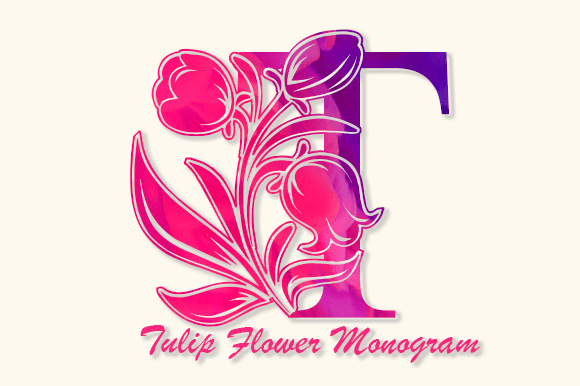
Tulip Flower Monogram: An Elegant Decorative Typeface
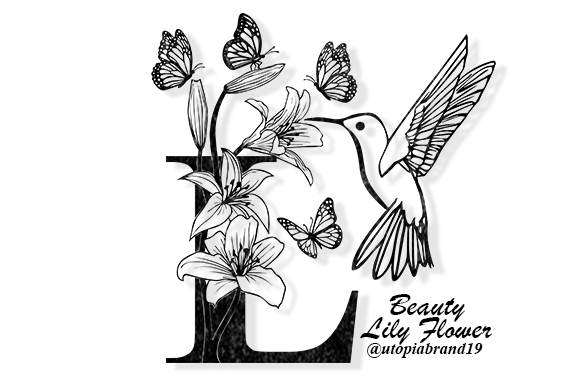
When I sat down to redesign the header for a seasonal lifestyle newsletter last month, I knew I needed something that felt organic yet refined. The existing sans serif fonts were clean but lacked soul, while the bold slab serifs felt too heavy for the soft, inviting tone we wanted to cultivate. That is when I turned to Tulip Flower Monogram, a typeface that immediately shifted the mood of the entire layout. As an elegant decorative font featuring lovely ornaments, it offered the perfect balance between structural clarity and artistic flair. For publishers and editorial designers who understand that typography is not just about reading but about feeling, this font serves as a powerful tool for establishing publication identity.
Creating Gorgeous Wedding Invitations with Tulip Flower Monogram
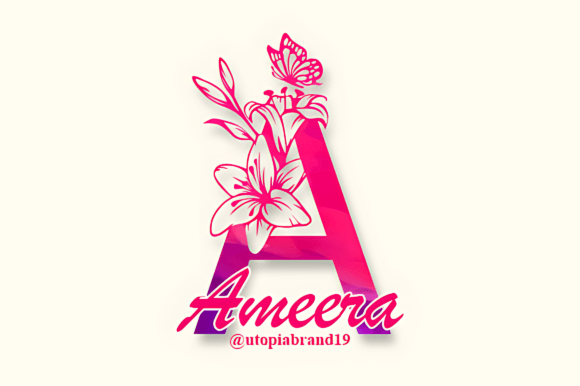
The primary appeal of Tulip Flower Monogram lies in its ability to evoke romance and sophistication without becoming overly ornate or difficult to read. In the world of wedding stationery, the font must carry the weight of tradition while feeling fresh and personal. I tested this typeface on a mock-up for a spring wedding guide, using it for the couple’s names and the main event title. The result was stunning. The authentic feel of the letterforms, combined with the delicate floral accents, created a sense of occasion that standard script fonts often miss.
For those creating gorgeous wedding invitations, this font acts as more than just text; it becomes a decorative element in its own right. The lovely ornaments integrated into the design allow you to reduce the need for additional graphic elements, keeping the layout clean and focused. When used for headers or pull quotes in a digital wedding magazine, Tulip Flower Monogram draws the eye naturally, guiding the reader through the content with grace. It is important to note that while it excels in these display roles, it is best reserved for titles and short phrases rather than body copy, ensuring that the intricate details remain legible even on smaller mobile screens.
Designing Beautiful Stationary Art and Editorial Headers
Beyond weddings, the versatility of Tulip Flower Monogram makes it an excellent choice for beautiful stationary art and broader editorial projects. I recently used it to redesign the cover of a printable planner aimed at creative entrepreneurs. The font’s decorative nature added a touch of luxury to the product, elevating it from a simple utility item to a desirable design asset. In editorial design, the hierarchy is crucial, and this typeface helps establish a clear visual structure by distinguishing major sections from supporting text.
When building a worksheet layout or a coaching workbook, the mood of the font can significantly impact user engagement. Tulip Flower Monogram brings a calm, thoughtful energy to the page, which is ideal for content that requires reflection and focus. I found that pairing it with a clean, modern sans serif font for the instructional text created a balanced contrast. The decorative font captures attention and sets the tone, while the neutral body font ensures readability for longer passages. This combination is particularly effective for digital magazines and course PDFs, where maintaining reader interest over multiple pages is essential.
Enhancing Brand Identity with Decorative Fonts
For independent content brands and bloggers, consistency in typography is key to building a recognizable brand identity. Tulip Flower Monogram offers a distinct personality that can become synonymous with your publication’s voice. Whether you are designing social media graphics, newsletter headers, or ebook covers, using a consistent decorative font helps create a cohesive visual experience. The eye-catching quality of this typeface ensures that your content stands out in crowded feeds and inbox previews.
However, using such an expressive font requires discipline. It is not suitable for dense paragraphs, small captions, or formal reports where clarity and speed of reading are paramount. Instead, use it strategically for chapter openers, section headings, and pull quotes. By limiting its use to high-impact areas, you preserve its specialness and prevent visual fatigue. This approach aligns with best practices in modern typography, where display fonts are used to create moments of delight within a structured layout.
Practical Considerations for Using Tulip Flower Monogram
Before integrating Tulip Flower Monogram into your next project, it is wise to consider the technical aspects of font usage. Check the included styles and file formats to ensure compatibility with your design software, whether you are working in Adobe InDesign for print or Canva for digital assets. If the font includes alternates or ligatures, experiment with them to add unique touches to your headlines. These small details can enhance the authentic feel of the design and make your work appear more custom and professional.
Additionally, always review the commercial font licensing terms, especially if you are creating products for sale, such as printable planners, paid newsletters, or client publications. Understanding the scope of your license protects your business and ensures that you are using the font ethically. For web design and social media graphics, consider how the font renders on different devices. While Tulip Flower Monogram is designed to be elegant, testing its legibility at various sizes is crucial to maintain accessibility and user experience.
In conclusion, Tulip Flower Monogram is a valuable addition to any designer’s toolkit, offering a blend of elegance and functionality. Its ability to transform ordinary text into beautiful stationary art and eye-catching headers makes it a standout choice for those looking to elevate their editorial projects. By using it thoughtfully and pairing it with complementary typefaces, you can create layouts that are not only visually appealing but also emotionally resonant. For bloggers, publishers, and creators who value both aesthetics and readability, this font provides the perfect foundation for sophisticated and engaging content.